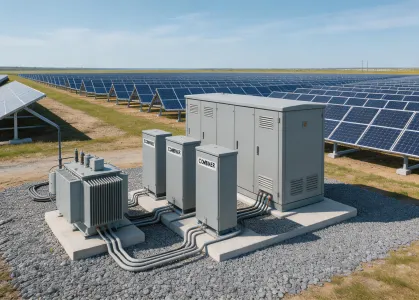
Utility Solar
Combiner boxes, disconnects, transformers, surge protection, and inverter interfaces must remain visible, serviceable, and compatible with grid interconnection requirements.
Renewable energy assets are not all specified the same way. Utility solar plants emphasize grid interconnection, transformer coordination, protection studies, and maintainable field enclosures. Commercial rooftop projects need compact BOS layouts, safe service isolation, and contractor-friendly installation evidence. EV charging hubs add load growth, metering, communications, and public uptime expectations. Battery storage projects require careful coordination between energy conversion equipment, UPS loads, battery cabinets, fire safety interfaces, and switching equipment. Abb organizes these application contexts so buyers can connect product choices to the actual operating environment.
Combiner boxes, disconnects, transformers, surge protection, and inverter interfaces must remain visible, serviceable, and compatible with grid interconnection requirements.
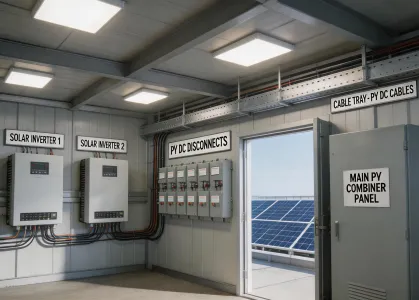
Contractor teams need compact component layouts, clear labeling, enclosure ratings, and documentation that supports inspection without redesigning the electrical room.

Charging sites connect power distribution, load management, metering, and uptime planning; the electrical package must be ready for growth as fleet demand rises.
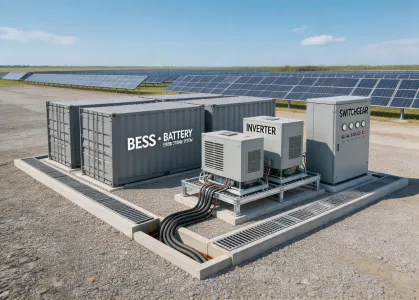
BESS projects require coordinated switching, conversion equipment, backup loads, thermal assumptions, and maintenance routes for safe long-term operation.
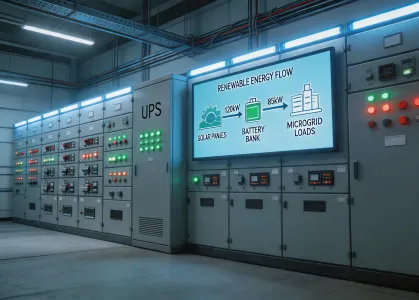
Microgrid buyers compare generation, storage, critical loads, and service continuity, so device selection must preserve both control logic and physical service access.

Wind, solar, charging, and storage assets create mixed electrical interfaces that benefit from disciplined protection, monitoring, and documentation standards.
Project teams often debate whether to centralize string current monitoring at a combiner box or push monitoring to the string level. Each approach has documented trade-offs in fault detection, capex, and field labor. We present both to keep the BOS decision transparent.
Lower per-string cost, fewer cable terminations, simpler commissioning. Adequate when string-level fault diagnosis is not a contractual requirement. Common on utility-scale arrays where SCADA already provides system-level visibility.
Faster fault localization, smaller production loss windows, better data for warranty claims. Costs more in hardware and wiring labor but pays back when O&M response time is contractually bound. Standard on commercial rooftops and asset-managed portfolios.
Abb can document combiner ratings, surge protection device coordination, DC disconnect specifications, and rapid-shutdown compliance per NEC 690.12 so the BOS path is defensible in inspection.
Share the project type, power level, installation environment, and approval requirements so the equipment shortlist starts from the correct assumptions.
Discuss Application Fit